
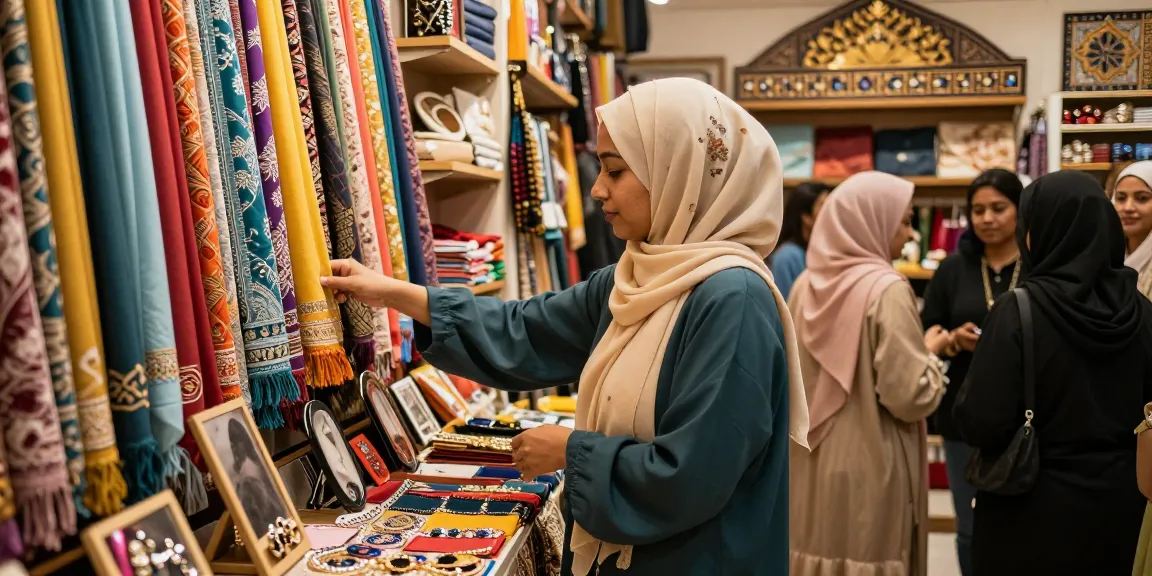
The Evolution of Hijabi Fashion
Over the past few decades, hijabi fashion has undergone a remarkable transformation, evolving from traditional styles to contemporary trends that embrace individuality and cultural expression. This shift reflects broader societal changes, including increased acceptance of diverse fashion statements, the rise of social media as a platform for sharing style, and the emergence of a global market for modest clothing. As we delve into the evolution of hijabi fashion, it is essential to recognize the impact of these factors, as well as how modern Hijabi store offerings cater to a diverse clientele.
Historical Overview and Influences
The origin of hijabi fashion can be traced back centuries, with its roots deeply embedded in Islamic tradition and cultural practices. Initially, the hijab served a primarily religious purpose, symbolizing modesty and piety. However, the late 20th century marked a turning point as Muslim women began to reclaim their identity through fashion. Influences from various cultures—ranging from Middle Eastern to Southeast Asian and Western styles—began to integrate into hijabi fashion. During this period, designers started experimenting with fabrics, patterns, and silhouettes, paving the way for a more vibrant and dynamic approach to modest attire.
Trends Over the Last Decade
In the last ten years, hijabi fashion has seen a significant rise in popularity and innovation. The impact of social media platforms such as Instagram and TikTok cannot be understated, as they have allowed hijabi influencers to showcase their unique styles to a global audience. During this time, we have witnessed the emergence of athleisure as a prominent trend, with many hijabi women opting for practical yet fashionable attire, such as stylish joggers and chic sports hijabs. Additionally, the fusion of traditional garments with contemporary designs has become a hallmark of modern hijabi fashion, offering choices that appeal to younger generations.
Consumer Preferences and Changes
Consumer preferences have also shifted dramatically over recent years. Today’s hijabi shoppers are not only looking for modest clothing but also for pieces that reflect their personal style and allow for versatility. As a result, brands that prioritize modern aesthetics, high-quality materials, and inclusive sizing are gaining traction. Moreover, the focus on ethical and sustainable practices is influencing purchasing decisions, as consumers increasingly seek brands that align with their values and support ethical fashion. Understanding this evolving landscape is crucial for retailers and entrepreneurs in the hijabi fashion industry.
Market Insights and Growth Opportunities
The hijabi fashion market presents numerous growth opportunities, driven by a combination of rising demand and increasing global awareness of diversity in fashion. The industry is poised for expansion as more designers and brands enter the market, seeking to cater to the needs of a diverse audience.
Current Trends in the Hijabi Store Industry
Current trends in the hijabi store industry include an increasing emphasis on personalization and direct-to-consumer business models. Brands are leveraging technology to offer customizable options and personalized styling recommendations, enhancing the shopping experience for hijabi consumers. Moreover, virtual try-on technology is gaining traction, allowing customers to visualize how different styles will look on them before making a purchase.
Target Audience Analysis and Demographics
Understanding the target audience is vital for success in the hijabi fashion market. The demographic spans a wide range, from young girls to middle-aged women, with various cultural backgrounds and fashion preferences. Young consumers, in particular, are keen on expressing their individuality while adhering to modesty principles. Market research indicates that this demographic is highly engaged with social media, making them a prime target for brands that utilize digital marketing strategies.
Emerging Markets and Global Reach
Emerging markets in the Middle East, Southeast Asia, and even Western countries are becoming significant players in the hijabi fashion scene. Brands are capitalizing on global reach by tailoring their products to local tastes while maintaining a universal appeal. This adaptability allows hijabi stores to cater to different cultural contexts, making modest fashion more accessible to a broader audience.
Style Inspirations for 2027
As we look towards 2027, the hijabi fashion landscape is set to evolve further, influenced by cultural shifts, technology, and consumer preferences.
Classical vs. Modern Aesthetics
The interplay between classical and modern aesthetics will continue to shape hijabi fashion. While traditional silhouettes and patterns will remain relevant, we can expect a growing inclination towards minimalist designs with bold color palettes and innovative cuts. This blending of styles not only respects tradition but also embraces modernity, offering consumers a unique range of options.
Seasonal Styles and Color Palettes
Seasonal collections will play a pivotal role in the hijabi fashion industry, with an emphasis on versatile pieces that can transition between multiple occasions. Expect to see a mix of earthy tones, pastel hues, and striking vibrant colors that reflect current trends. Additionally, layering will remain a key styling technique, allowing hijabi women to express their creativity through fashion.
Celebrity Influences and Social Media Impact
As social media continues to shape fashion trends, celebrity endorsements and collaborations will play a crucial role in promoting hijabi fashion. Influencers and fashion icons will set a precedent for style, making it essential for brands to engage with these figures to reach their target audience effectively.
Sustainable Fashion in Hijabi Stores
Sustainability is becoming increasingly important in the fashion industry, and the hijabi market is no exception. As consumer awareness grows, brands are called to prioritize eco-friendly practices and materials.
Eco-Friendly Materials and Practices
The use of sustainable materials, such as organic cotton, bamboo, and recycled fabrics, is gaining momentum among hijabi fashion brands. Companies are now focusing on transparent sourcing practices, ensuring that their products are not only stylish but also ethical. This shift not only attracts conscious consumers but also sets a positive example within the industry.
Conscious Consumerism Trends
Conscious consumerism is driving a shift in purchasing behaviors. Hijabi consumers are increasingly investing in high-quality, timeless pieces rather than fast fashion. This trend fosters a culture of quality over quantity, encouraging brands to produce thoughtful designs that stand the test of time.
Brands Leading the Way in Sustainability
A number of brands are at the forefront of promoting sustainable practices in hijabi fashion. These pioneers are setting new standards by creating innovative designs that prioritize both style and sustainability, proving that the two can coexist. By spotlighting these brands, the industry can inspire others to embrace eco-conscious methodologies.
Future Predictions and Innovations
The future of hijabi fashion is bright, with innovations on the horizon that promise to reshape the industry as we know it.
Technological Advancements in Retail
Technological advancements are poised to revolutionize the way hijabi fashion is marketed and sold. From augmented reality fitting rooms to AI-driven recommendations, technology will enable a more personalized shopping experience. Retailers that embrace these technologies will likely see enhanced customer loyalty and engagement.
Cultural Shifts and Their Effects on Fashion
Cultural shifts will continue to influence fashion trends, as the world becomes increasingly interconnected. As globalization fosters a greater exchange of ideas, hijabi fashion will likely blend with various styles from around the world, creating a rich tapestry of cultural expression.
How to Stay Ahead in the Hijabi Fashion Scene
To remain relevant in the evolving hijabi fashion landscape, brands must stay attuned to consumer preferences and industry trends. This entails ongoing market research, collaboration with influencers, and a commitment to innovation. Furthermore, engaging with the community can help brands build a loyal customer base and enhance their reputation in the market.
What are the Key Trends for Hijabi Fashion in 2026?
Moving closer to 2026, key trends in hijabi fashion will include an emphasis on versatility, with clothing designed to transition seamlessly between casual and formal occasions. Expect a rise in demand for multifunctional pieces, reflective of the dynamic lifestyles of modern consumers.
How are Hijabi Store Entrepreneurs Adapting?
Entrepreneurs in the hijabi store space are increasingly leveraging technology and social media to reach their target audience more effectively. By creating engaging content and building an online community, these retailers can foster deeper connections with their customers, allowing for more targeted marketing and product offerings.
What Role Will Sustainability Play in Hijabi Fashion?
Sustainability will remain a driving force in hijabi fashion, with a growing number of consumers prioritizing eco-friendly products. Brands that commit to sustainable practices will not only enhance their brand image but also attract environmentally conscious shoppers.
How Can Consumers Support Ethical Brands?
Consumers can support ethical hijabi fashion brands by researching their sourcing practices, seeking out certifications, and choosing quality over quantity. By making informed purchasing decisions, shoppers can encourage brands to adopt more sustainable practices and contribute to a positive change within the industry.
What New Designs Should We Expect in 2027?
As we approach 2027, we can anticipate a surge in innovative designs that bridge the gap between fashion and functionality. Expect to see smart textiles incorporating technology for enhanced comfort and utility, alongside unique styles that reflect the diverse identities of hijabi women.


