Understanding Solar Panels and Their Environmental Impact
In recent years, solar energy has emerged as a leading alternative to fossil fuels, providing a sustainable solution to energy demands worldwide. As nations transition to cleaner energy sources, understanding the environmental impact of solar panels becomes crucial. Key components in solar panels include silicon, glass, metals like silver and aluminum, and various polymers. The production and disposal of these materials significantly affect our environment. Consequently, as solar panel adoption increases, so does the need for effective strategies regarding the recykling paneli fotowoltaicznych – proces i koszty at the end of their lifecycle.
What Are Solar Panels Made Of?
Solar panels are primarily composed of photovoltaic (PV) cells that convert sunlight into electricity. These cells are typically made from silicon, a widely available element known for its efficiency in solar energy conversion. In addition to silicon, solar panels contain metals such as silver for electrical connections and aluminum for structural support. They are encased in a protective layer of glass and framed with durable materials to withstand environmental conditions.
The Lifecycle of Solar Panels
The lifecycle of solar panels begins with raw material extraction, which has its environmental implications, such as habitat destruction and energy consumption. Once manufactured, solar panels are installed across residential and commercial properties, where they can generate renewable energy for approximately 25 to 30 years. However, at the end of this productive life, the question of what happens to these panels becomes critical.
Environmental Concerns of Solar Waste
As solar panels reach the end of their lifecycle, they pose a risk of becoming electronic waste (e-waste) if not properly managed. The improper disposal of these panels can lead to hazardous materials leaching into the soil and water sources. Therefore, establishing a robust recycling strategy is essential not just for compliance with regulations but also for mitigating environmental impacts.
Recycling Process of Solar Panels
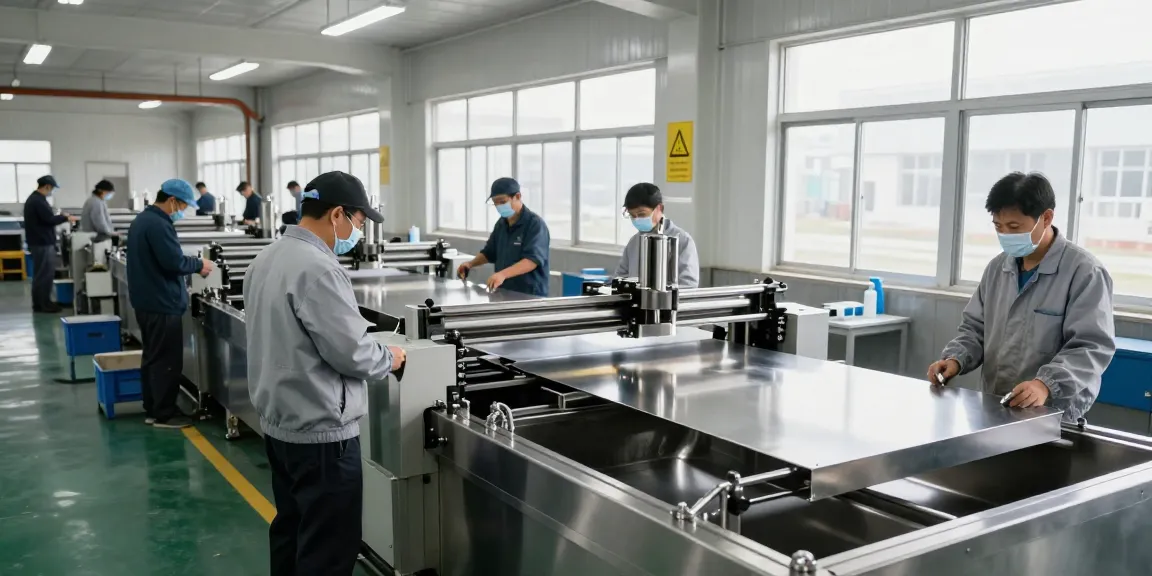
The recycling process of solar panels involves several key steps aimed at recovering valuable materials while minimizing environmental harm. Understanding the intricacies of this process can help both consumers and businesses make informed decisions about their solar investments.
Step-by-Step Breakdown of Recycling
The recycling process for solar panels typically involves the following steps:
- Collection: End-of-life solar panels are collected through designated recycling programs or points of collection.
- Dismantling: The panels are dismantled to separate different components, including glass, metals, and semiconductor materials.
- Processing: The separated materials undergo processing; for example, glass is crushed and melted, while metals are recovered through smelting.
- Manufacturing Recycled Products: Recycled materials can be reused in manufacturing new solar panels or other products, thus completing the circular economy cycle.
Technology and Methods Used in Recycling
Advanced technologies, such as mechanical shredding, chemical leaching, and thermal processing, are employed to efficiently recover materials from solar panels. Innovations in recycling technology continue to emerge, enhancing the efficiency and effectiveness of the recovery process. Newer methods, including automated systems, aim to streamline the separation of materials while ensuring maximum yield.
Challenges in the Recycling Process
Despite advancements, the recycling of solar panels does face challenges. These include the complexity of panel designs, variability in materials used, and the economic viability of recycling processes. Additionally, public awareness and participation in recycling programs can impact the overall success of solar panel recycling initiatives.
Cost Analysis of Solar Panel Recycling
Understanding the financial implications of solar panel recycling is essential for both individual consumers and businesses. Analyzing costs can help stakeholders plan for the end-of-life management of their solar assets.
Average Costs of Recycling Materials
The average cost of recycling solar panels varies but typically ranges from 1.5 to 2 PLN per kilogram. For a standard residential installation of approximately 4 kW (about 12 panels), this translates to an estimated cost of 340 to 450 PLN for recycling. These costs may include collection, transportation, processing, and any additional handling fees.
Factors Influencing Recycling Costs
Several factors can influence the overall costs associated with solar panel recycling, including:
- Panel Composition: The complexity of materials within the panels can affect processing costs.
- Transport Distance: The distance from the collection point to the recycling facility directly impacts logistical expenses.
- Market Demand: Fluctuations in the market for recycled materials can alter the economic feasibility of recycling processes.
- Regulatory Requirements: Compliance with local and international regulations may impose additional financial burdens.
Comparison of Costs Across Different Providers
It is beneficial to compare pricing structures among various recycling providers to find the most cost-effective solution. Some companies may offer bundled services that include collection and processing, while others might charge separately. Always consider the reputation and reliability of the recycling provider, as higher quality services might justify the cost.
Best Practices for Sustainable Solar Panel Disposal
To ensure sustainable disposal of solar panels, it is crucial to adhere to best practices that align with regulatory standards and environmental responsibilities.
Regulations Surrounding Solar Panel Recycling
In many regions, regulations dictate the proper disposal and recycling of solar panels to safeguard environmental health. Compliance with these regulations is not only a legal requirement but also an ethical responsibility for manufacturers and consumers alike. Staying informed about current laws and guidelines is essential for proper waste management.
Choosing the Right Recycling Partner
Selecting an experienced and reputable recycling partner can significantly enhance the efficiency and effectiveness of the recycling process. Look for companies with certifications in waste management and a proven track record in handling solar panel recycling.
DIY Solutions for Small-Scale Recycling
For small-scale users, considering DIY recycling options can be appealing. However, it is important to approach this carefully, as improper handling of solar panel materials can pose safety and environmental risks. Simple measures, such as donating functional panels to community projects or schools, can be an excellent way to extend their lifecycle.
The Future of Solar Panel Recycling
The future of solar panel recycling is bright, driven by technological advancements and increasing awareness of environmental sustainability. As the solar industry continues to expand, so too does the urgency for effective recycling solutions.
Emerging Technologies and Innovations
New technologies are emerging that optimize the recycling process further. These include advancements in chemical recycling techniques that can recover a higher percentage of valuable materials while minimizing energy consumption in the process.
Predictions for Recycling Practices in 2026
By 2026, it is expected that recycling practices for solar panels will become more standardized, with clearer regulations and improved technologies facilitating easier and more efficient recycling processes. The integration of artificial intelligence in sorting and processing may revolutionize the industry, allowing for greater efficiency and cost-effectiveness.
Global Efforts and Collaborations in Solar Recycling
International collaborations and initiatives aimed at promoting solar panel recycling are gaining momentum. By sharing best practices and technological advancements, countries can work together to establish a more sustainable recycling framework that benefits the entire planet.
What are the benefits of recycling solar panels?
Recycling solar panels offers numerous benefits, including:
- Resource Recovery: Valuable materials such as silicon, silver, and glass can be recovered and reused, reducing the need for virgin resources.
- Environmental Protection: Proper recycling helps prevent hazardous materials from contaminating the environment.
- Energy Savings: By recycling materials, the energy required for producing new components is significantly reduced.
- Economic Opportunities: The recycling industry can create jobs and stimulate economic growth within the green technology sector.
How much does it cost to recycle solar panels?
The costs for recycling solar panels can vary significantly depending on several factors, including the type of panel, the recycling method, and the provider. As previously mentioned, average costs range from 1.5 to 2 PLN per kilogram, but it is essential to obtain quotes from multiple providers for accurate budgeting.
Who is responsible for the recycling of solar panels?
In many jurisdictions, the responsibility for recycling solar panels falls on manufacturers, importers, and distributors. Regulations often require these stakeholders to develop and participate in recycling programs to ensure proper disposal and material recovery.
What materials can be recovered from recycling solar panels?
Recycling solar panels allows for the recovery of various materials, including:
- Silicon: A primary material in PV cells, valuable for reuse in new panels.
- Glass: Can be melted down and reformed for new products.
- Metals: Such as aluminum and silver, can be recycled and used in other applications.
- Plastics: Recovered for use in manufacturing or recycling processes.
How long do solar panels last before needing recycling?
Generally, solar panels have an operational lifespan of about 25 to 30 years. After this period, their efficiency significantly decreases, prompting the need for recycling and replacement. Regular maintenance can prolong their life, but ultimately, end-of-life management is crucial for sustainability.