
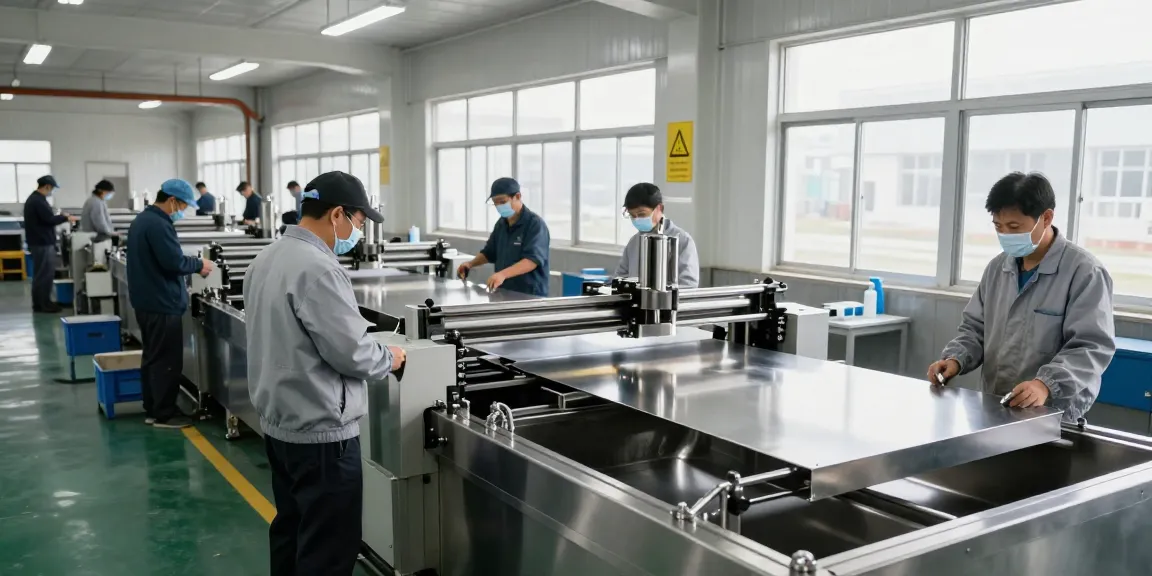
Understanding the Stainless Steel Basin Manufacturing Process
The production of stainless steel basins is a meticulous process that involves multiple stages, each critical to ensuring the quality and durability of the final product. With increasing demand for high-quality kitchenware, understanding this manufacturing journey offers valuable insights to consumers and industry professionals alike. When exploring options, stainless steel basin factory operations often embody a blend of traditional craftsmanship and modern technology.
The Key Stages of Production
The manufacturing of stainless steel basins typically begins with the selection of high-grade stainless steel. Factories often source materials specified by their clients, including 304 and 316 stainless steel, known for their excellent corrosion resistance. The production process can be divided into several key stages:
- Material Preparation: Sheets of stainless steel are cut into the required sizes using precision cutting tools.
- Forming: The cut sheets undergo stamping or pressing to create the basin shape. This is often done using automated machinery for efficiency.
- Welding: Components are welded together, ensuring a strong, seamless finish. Robotic welders are commonly employed in factories to enhance precision.
- Finishing: The surface is polished to remove any defects and enhance aesthetic appeal. This phase may include brushing or electro-polishing techniques.
- Quality Assurance: Every bath undergoes rigorous testing to ensure it meets industry standards.
Materials and Technologies Used in Factories
Modern stainless steel basin factories leverage advanced technologies and materials to optimize production quality. For instance, the use of laser cutting technology allows for precise shaping of stainless steel sheets, while automated robotic systems ensure consistent welding quality. Additionally, many factories now employ environmentally friendly practices, utilizing recycled materials and minimizing waste during production.
Quality Control Protocols in Stainless Steel Basin Production
Quality assurance is paramount in stainless steel basin manufacturing. Factories implement strict quality control measures, including:
- Visual inspections at each production stage.
- Pressure tests to ensure no leakage.
- Compliance audits to align with international standards.
- Regular maintenance checks on machinery.
Innovations Driving the Stainless Steel Basin Industry
The stainless steel basin industry is at the forefront of innovation, continually evolving to meet consumer expectations and environmental standards. Factors such as emerging technologies and sustainability practices are redefining manufacturing processes.
Emerging Technologies in Manufacturing for 2026
As we approach 2026, several technologies are expected to transform the manufacturing landscape:
- 3D Printing: This technology allows for rapid prototyping and customization of basin designs.
- IoT Integration: Smart factories equipped with IoT devices can gather real-time data to optimize production efficiency.
- Artificial Intelligence: AI algorithms can forecast demand, manage inventory, and even predict maintenance needs.
Environmental Sustainability Practices in Basin Production
Sustainability is becoming a non-negotiable aspect of stainless steel basin production. Factories are now adopting practices such as:
- Utilizing renewable energy sources, such as solar or wind power.
- Implementing water recycling systems to minimize water usage.
- Emphasizing the use of recycled stainless steel in production processes.
Case Studies of Successful Innovations in Factories
Several factories have successfully implemented innovative solutions. For example, a leading manufacturer recently integrated AI into their supply chain management, reducing lead times and minimizing waste. Another factory adopted an advanced welding technique that increased efficiency and reduced energy consumption. These case studies highlight the direct benefits of innovation in production processes.
Challenges Faced by Stainless Steel Basin Factories
While the industry continues to evolve, stainless steel basin factories face several challenges that can impact their operations and profitability.
Supply Chain Disruptions and Solutions
The COVID-19 pandemic highlighted vulnerabilities in supply chains globally. Many manufacturers faced delays in sourcing materials, leading to production setbacks. To mitigate these challenges, factories are diversifying their supplier networks and investing in local sourcing strategies.
Labor Shortages and Training Initiatives
Labor shortages are another pressing issue, particularly in skilled positions. Many factories are establishing training programs to upskill their existing workers, ensuring they meet the demands of modern manufacturing processes.
Regulatory Compliance and Industry Standards
Compliance with regulations is critical, particularly for manufacturers exporting their products. Staying abreast of the latest industry standards and regulations requires a dedicated compliance team, which can add to operational costs.
Market Trends Impacting Stainless Steel Basin Factories
Understanding market trends is vital for manufacturers aiming to maintain competitiveness in the stainless steel basin market.
Shifts in Consumer Preferences for Kitchenware
Consumers are increasingly favoring sustainable and high-quality kitchenware. This shift is driving demand for products that not only meet functional needs but also reflect environmental consciousness.
Global Market Analysis for 2026
As the global kitchenware market anticipates a notable increase in demand, manufacturers must prepare for heightened competition and evolving consumer preferences. Factors such as economic growth in emerging markets and increased consumer spending on home renovation are expected to drive market growth.
Emerging Competitors in the Stainless Steel Industry
New entrants to the market are intensifying competition among stainless steel basin manufacturers. These emerging competitors often adopt innovative practices and technologies, pushing established companies to evolve and adapt rapidly.
Future Prospects for Stainless Steel Basin Manufacturing
Looking toward the future, the stainless steel basin manufacturing sector is poised for significant advancements driven by technology and changing consumer demands.
Predictions for Manufacturing Trends Post-2026
Post-2026, we can expect a shift towards even more personalized products, with consumers having a greater influence on manufacturing processes. Additionally, the integration of smart technology in household fixtures will likely become commonplace.
Investment Opportunities in the Sector
With the rising demand for stainless steel basins, investment opportunities abound. Companies focusing on sustainability and innovative technologies are likely to attract substantial interest from investors aiming for long-term growth.
Expert Insights on the Future of Manufacturing
Industry experts predict that flexibility and adaptability will be key success factors for manufacturers in the coming years. Factories that can pivot quickly in response to market changes will likely outperform their competitors.
What Are the Benefits of Investing in a Stainless Steel Basin?
Investing in stainless steel basins offers numerous benefits, including durability, resistance to stains, and ease of maintenance. These factors contribute to their growing popularity among consumers.
How Can Automation Transform Stainless Steel Manufacturing?
Automation technologies can enhance the efficiency and accuracy of production processes while reducing labor costs. This transition can significantly increase output without compromising quality.
What Is the Role of Environmental Regulations in Basin Manufacturing?
Environmental regulations are shaping manufacturing practices, encouraging factories to adopt greener processes and materials. Compliance not only helps in meeting legal standards but also promotes corporate responsibility.
How to Select the Right Stainless Steel Basin for Your Needs?
Choosing the right stainless steel basin involves considering factors such as size, depth, material gauge, and design preferences. It’s essential to assess your kitchen layout and usage to make an informed decision.
What Are the Latest Designs in Stainless Steel Basins?
The latest trends include minimalistic designs, integrated drainboards, and apron-front styles that combine functionality with aesthetic appeal. Staying updated on these trends can ensure that your kitchen remains stylish and functional.


