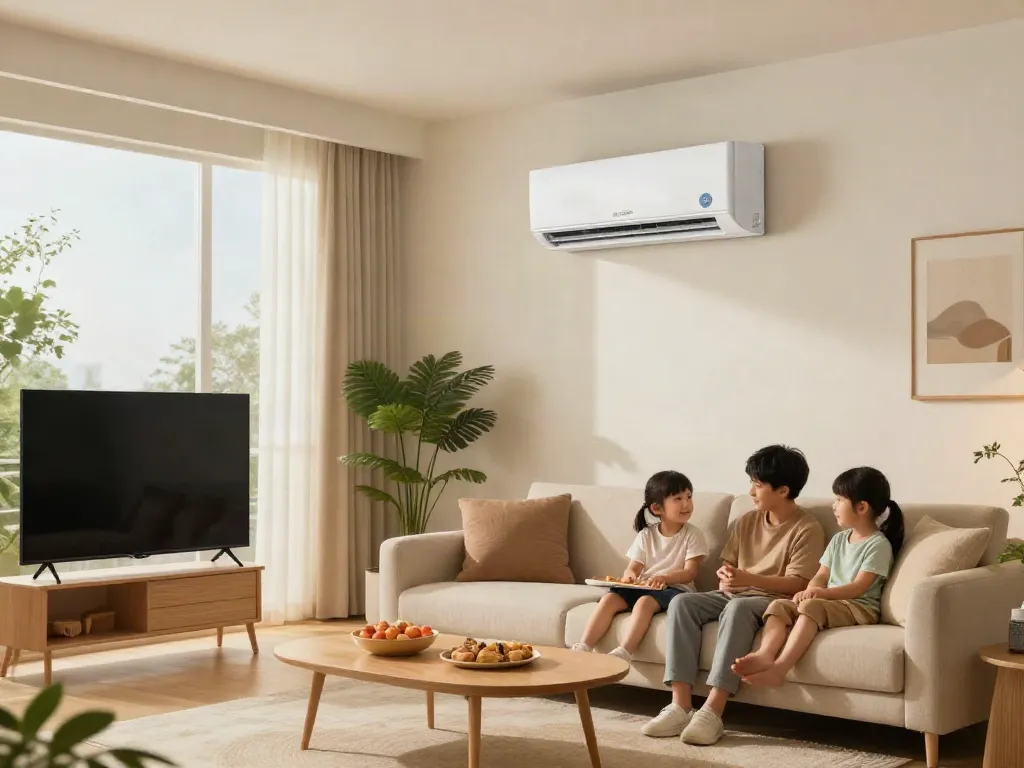
Understanding the 18k Mini Split System Basics
The 18k mini split is increasingly becoming a popular choice for homeowners seeking both comfort and energy efficiency in their living spaces. These heating and cooling systems are renowned for their ability to provide personalized climate control without the need for extensive ductwork. With the capacity to cool or heat areas up to 1,000 square feet, their versatility makes them suitable for various applications, from homes to small offices.
What is an 18k Mini Split?
An 18k mini split, also known as a ductless mini-split system, operates using two main components: an indoor air-handling unit and an outdoor condenser. Unlike traditional air conditioning systems that require ducted installations, mini splits provide an efficient and flexible approach to temperature control. The "18k" in its name refers to its cooling capacity of 18,000 British Thermal Units (BTUs) per hour, making it ideal for medium to large rooms.
How Does an 18k Mini Split Work?
The operation of an 18k mini split involves refrigerant cycling through the indoor and outdoor units. The process starts when the indoor unit absorbs heat from the room air, cooling it down. The heat is then transferred to the refrigerant, which moves to the outdoor component where it releases the heat. This cycle of absorption and rejection not only cools but can also efficiently heat the space when reversed, providing year-round climate control.
Advantages of Choosing an 18k Mini Split
- Energy Efficiency: Mini splits generally utilize inverter technology, which adjusts the compressor speed for optimal efficiency, reducing energy costs.
- Flexible Installation: Their compact design allows for installation in a variety of locations without the need for extensive ductwork.
- Independent Temperature Control: Each indoor unit can be controlled separately, allowing for personalized comfort based on room usage.
- Improved Indoor Air Quality: Many mini splits include advanced filtration systems that enhance the air quality within the space.
Energy Efficiency and Cost Savings
Energy efficiency is a critical factor to consider when evaluating any HVAC system, and 18k mini splits excel in this regard. With rising energy costs, opting for a system that minimizes energy consumption can yield substantial savings over time.
Why Energy Efficiency Matters with Mini Splits
Mini splits, particularly those rated with high Seasonal Energy Efficiency Ratios (SEER), consume less electricity compared to traditional units. This is crucial, as heating and cooling can account for over half of a home's energy consumption. With an 18k mini split, savings arise not just from energy efficiency, but also from the ability to only heat or cool occupied spaces.
Comparing Energy Costs of Mini Splits vs. Central AC
When comparing energy costs, it's evident that mini splits can offer savings, especially in homes that do not require cooling or heating throughout. Central air conditioning systems often cool or heat the entire home simultaneously, wasting energy in unoccupied rooms. Conversely, with an 18k mini split, the ability to control temperature based on specific needs can lower energy bills significantly.
Future Trends in Energy-Efficient Mini Split Technology
The future of mini split technology includes advancements such as smart connectivity options, allowing homeowners to control their systems remotely. Moreover, innovations in refrigerant technology aim to reduce environmental impacts while improving overall efficiency, making systems like the 18k mini split even more sustainable.
Installation Insights for 18k Mini Splits
Proper installation is crucial to ensure that an 18k mini split operates efficiently and effectively. Whether choosing to have it professionally installed or conducting a DIY project, it's essential to understand the requirements and steps involved.
Professional vs. DIY Installation: Pros and Cons
While hiring a professional ensures the system is installed correctly and up to code, a DIY installation can save money. However, DIY installations may lack the expertise required for optimal placement and connection, which can affect system performance. It’s important to weigh both options carefully based on your comfort level, experience, and budget.
Key Installation Considerations for Optimal Performance
When installing an 18k mini split, factors such as the ideal placement of indoor units, ensuring proper refrigerant line lengths, and the choice of electrical components must be considered. Optimal placement can significantly affect the system's efficiency and lifespan.
Common Installation Mistakes to Avoid
- Improper indoor unit placement, which can lead to inadequate airflow.
- Failing to account for necessary insulation in refrigerant lines, potentially causing energy loss.
- Using incorrect electrical wiring which can lead to system malfunction or hazards.
Maintenance Tips for Longevity and Performance
Regular maintenance is key to maximizing the longevity and efficiency of your 18k mini split. It helps prevent common issues that can arise over time.
Routine Maintenance Practices for Mini Splits
Basic maintenance includes cleaning or replacing the air filters every few months, inspecting the outdoor unit for debris, and ensuring the condensate drain is clear. Scheduling annual professional inspections can also help catch potential issues before they escalate.
Identifying and Troubleshooting Common Issues
Common issues such as reduced airflow, strange noises, or unexpected cycling can indicate problems with the mini split. Homeowners should familiarize themselves with some basic troubleshooting methods, such as checking the filter and ensuring the outdoor unit is unobstructed.
When to Call a Professional for Repairs
If basic troubleshooting does not resolve an issue, it’s essential to consult a professional. Signs that professional help is needed include persistent noises, refrigerant leaks, or if the system fails to produce cool air.
Evaluating the Right 18k Mini Split for You
Choosing the right 18k mini split involves evaluating several factors specific to your space and needs.
Factors to Consider Based on Room Size and Usage
The size of the room and its intended use are critical in determining whether an 18k mini split is appropriate. For instance, larger spaces might require multiple units to ensure effective temperature control.
Comparative Review of Popular 18k Mini Split Brands
When searching for an 18k mini split, several brands offer competitive models. Key players like Mitsubishi, Daikin, and LG have established reputations for reliability and efficiency. Customer reviews can provide insights into performance and customer service experiences.
Budgeting for Your 18k Mini Split Purchase
Beyond the initial purchase price, consider installation costs, potential renovations, and regular maintenance when budgeting for your 18k mini split system to understand the total cost of ownership.
What is the average lifespan of an 18k mini split?
On average, an 18k mini split can last between 12 to 15 years with proper maintenance. Factors like usage frequency and regular servicing can impact its lifespan.
Can an 18k mini split be used for heating as well?
Yes, many 18k mini split models function as heat pumps, providing both heating and cooling capabilities, which makes them suitable for year-round use.
How much does it cost to run an 18k mini split?
The operating cost of an 18k mini split varies depending on usage, local energy costs, and system efficiency. Some users report costs as low as $50 a month during peak summer usage.
What maintenance is required for 18k mini split systems?
Regular maintenance involves cleaning or replacing filters, ensuring proper drainage, and having annual professional inspections to maintain efficiency and prevent breakdowns.
How do I determine the right size mini split for my home?
Calculating the appropriate size involves assessing the square footage of the space, considering factors like insulation and the number of windows. Consulting with a professional can provide a more accurate assessment.